







Are you considering stopping the pill but have concerns about potential side effects – especially regarding your weight? Don't worry, you're not alone! Many women wonder if stopping the pill will affect their weight. In this article, you'll learn how the pill and stopping it affect our bodies, why your weight might change, and how you can best support your body.
How does the pill affect our body?
The pill is a hormonal contraceptive method that suppresses the natural menstrual cycle. It contains synthetic hormones (usually a combination of estrogen and progestin) that prevent ovulation and alter the uterine lining. However, these synthetic hormones can have far-reaching effects on the body:
-
Hormonal balance: The natural production of female hormones is suppressed because the pill tricks the body into thinking it has a constant supply of hormones. This reduces ovarian activity, which can lead to lower natural hormone production in the long term. This can affect, among other things, the menstrual cycle, libido, and emotional well-being.
-
Metabolism: Energy metabolism can be affected, as hormones play a key role in regulating appetite, insulin sensitivity, and fat distribution. Some women report altered weight gain or difficulty losing weight while taking the pill. Furthermore, changes in carbohydrate and fat metabolism can occur, which can affect overall body composition.
-
Water balance: Many women experience water retention while taking the pill, as estrogen can affect the body's water and sodium balance. This can manifest as swollen legs, bloating, or weight fluctuations. Conversely, some progestins can have a diuretic effect, which is why individual reactions to the pill can vary.
How are hormones, water balance, and weight related?
Hormones regulate many processes in the body, including water balance, fat metabolism, and appetite. The hormone aldosterone, in particular , influences how much water the body retains or excretes. Estrogens can promote water retention, while progesterone has a diuretic effect. This explains why many women experience weight fluctuations while taking the pill or after discontinuing it.
What happens in the body when you stop taking the pill?
After stopping the pill, the body begins to re-establish its natural cycle. This can take several weeks to months. The following processes can occur:
-
Hormone regulation: The body needs to relearn how to produce its own female hormones. Since the ovaries were barely active while taking the pill, it can take some time for them to fully resume their function. This can lead to irregular cycles and mood swings.
-
Changes in metabolism: Energy expenditure can change because hormones play a central role in fat and carbohydrate metabolism. Some women gain or lose weight as their bodies adapt to the new hormonal conditions. Additionally, blood sugar levels can fluctuate, which affects appetite.
-
Fluctuations in fluid balance: Retained fluid can be excreted, or temporary water retention may occur. This is because the natural balance between estrogen and progesterone needs time to readjust. Some women feel slimmer after stopping the pill, while others experience a temporary feeling of bloating.
Common side effects when stopping the pill
Many women report side effects after stopping the pill, as their bodies need time to readjust (also known as post-pill syndrome). These include:
-
Hormonal acne: Hormonal changes can cause the skin to produce more sebum, which can lead to pimples and blemishes. Women who were already prone to breakouts before taking the pill are particularly affected.
-
Hair loss: As hormones rebalance, temporary hair loss can occur. This condition usually normalizes after a few months.
-
Irregular cycle: It can take some time for the menstrual cycle to stabilize. Some women experience long cycles, while others have very short or absent periods.
-
Mood swings: Since hormones also influence our emotions, periods of irritability, sadness or restlessness may occur after stopping the pill.
-
Water retention or increased sweating: Some women report water retention or increased sweating after stopping the pill, as the body's water balance has to regulate itself again.
How can stopping the pill affect weight?
Here it is worth distinguishing between fat gain, water retention and natural weight regulation .
- Weight gain : There are no scientific studies that prove that stopping the pill directly leads to weight gain. However, hormonal changes can affect appetite, which may cause some women to eat more or less than before. Altered insulin sensitivity could also be a contributing factor.
- Water retention : The pill can lead to increased water retention in the tissues due to its effect on estrogen levels. After discontinuing the pill, this water retention can be reduced, resulting in a weight loss of a few kilograms without any actual fat loss. This explains why some women even notice weight loss after stopping the pill.
- Natural weight regulation and metabolism : At the same time, the metabolism can adapt after stopping the pill, which in some cases leads to natural weight regulation. Some women report improved fat burning, while others notice an increased calorie intake. While some women lose weight as a result, others may experience a slight weight gain as their bodies adjust to the hormonal balance.
How can you support your body when stopping the pill?
1. Adjust your diet
-
Focus on a balanced diet with plenty of fresh vegetables, healthy fats and high-quality proteins.
-
Healthy foods such as flaxseeds, nuts and avocado support hormone production.
Important nutrients to support hormone balance
-
Magnesium: Helps with stress management and muscle relaxation.
-
Omega-3 fatty acids: Promote healthy hormone production.
-
Vitamin B6: Regulates female hormones.
-
Zinc: Can alleviate hormonal acne.
-
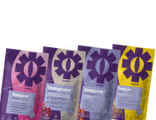
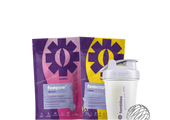
Dietary supplements: High-quality, natural preparations that support the body in replenishing its nutrient stores and achieving balance can facilitate the transition.
( 13 ) ( 14 ) ( 15 ) ( 16 ) ( 17 )
2. Integrate movement into everyday life
-
Gentle exercise such as yoga, walks or gentle strength training helps to stabilize the metabolism.
-
Exercise also helps to reduce stress and regulate hormone levels .
3. Reduce stress
-
Chronic stress can affect hormone balance and promote water retention.
-
Methods such as meditation, breathing exercises, or sufficient sleep support the body.
Conclusion: Give your body time to find its balance.
There is no scientific evidence that stopping the pill directly leads to weight gain. Nevertheless, many women report initially experiencing weight gain. This can be related to hormonal fluctuations, changes in metabolism, or increased appetite. At the same time, many women also lose weight after stopping the pill due to fluid retention. Ultimately, every body reacts differently, and it's important not to be alarmed by short-term changes. A conscious diet, sufficient exercise, holistic stress management, and targeted nutrient intake can help support the body when stopping the pill and restore hormonal balance. If you are unsure or notice strong side effects, consult your gynecologist.
Stay informed and take care of your health! If you have any questions on this topic, we look forward to your comments and emails at hello@fembites.com .
Disclaimer: When we write "woman", we mean all people who have a menstrual cycle.
Sources:
(1) https://pubmed.ncbi.nlm.nih.gov/33428907/
(2) https://pubmed.ncbi.nlm.nih.gov/10484572/
(3) https://pubmed.ncbi.nlm.nih.gov/28732568/
(4) https://pubmed.ncbi.nlm.nih.gov/32666247/
(5) https://pubmed.ncbi.nlm.nih.gov/6108247/
(6) https://pmc.ncbi.nlm.nih.gov/articles/PMC10534273/
(7) https://pubmed.ncbi.nlm.nih.gov/30062044/
(8) https://pmc.ncbi.nlm.nih.gov/articles/PMC6736472/
(9) https://pmc.ncbi.nlm.nih.gov/articles/PMC3880912/
(10) https://pubmed.ncbi.nlm.nih.gov/21901687/
(11) https://pmc.ncbi.nlm.nih.gov/articles/PMC9679583/
(12) https://pubmed.ncbi.nlm.nih.gov/24477630/
(13) https://pubmed.ncbi.nlm.nih.gov/28392498/
(14) https://pubmed.ncbi.nlm.nih.gov/2558186/
(15) https://pmc.ncbi.nlm.nih.gov/articles/PMC7491187/
(16) https://pubmed.ncbi.nlm.nih.gov/32860489/
(17) https://www.frontiersin.org/journals/endocrinology/articles/10.3389/fendo.2023.1164186/