













Your symptoms suggest you might be suffering from excess testosterone? Don't panic.
A Excess testosterone in women can lead to unpleasant symptoms and disrupt hormonal balance. But don't worry, there are steps you can take to address the problem.
In this article, we will explain what an excess of testosterone is, what symptoms it can cause, and how you can treat an excess of testosterone naturally.
What helps with excessively high testosterone levels?
Testosterone is a male sex hormone that is also produced in small amounts by women. However, when testosterone production in women is excessively high, it is referred to as testosterone excess. This condition can lead to various health problems and should not be ignored.
Common symptoms
1. Acne and oily skin
Elevated testosterone levels can lead to skin blemishes.
2. (Hirsutism) Increased hair growth
Increased hair growth may occur on the face, chest, and abdomen.
3. Hair loss
Paradoxically, excess testosterone can also lead to hair loss on the head.
4. Menstrual disorders
Irregular or absent menstruation may occur.
5. Weight gain
Excess testosterone can lead to weight gain and problems losing weight.
6. Mood swings
You might feel more irritable, anxious, or stressed.
7. Loss of libido
Sexual desire can decrease.
8. Deepened voice
An excess of testosterone can also lead to a deeper voice.
Do any of these symptoms sound familiar?
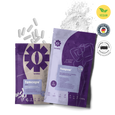
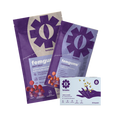
Then our FemCaps Cleanse can help you to bring your body back into balance and strengthen your hormonal balance.
Typical causes
There are various causes of excess testosterone in women. These include:
1. Polycystic Ovary Syndrome (PCOS)
This is the most common cause of excess testosterone in women. PCOS is a condition characterized by hormonal imbalances, including elevated testosterone levels. This can lead to symptoms such as irregular periods, excessive hair growth, acne, and infertility.
2. Adrenal cortical hyperplasia
The adrenal glands produce a small amount of testosterone. Conditions that affect the adrenal glands, such as Cushing's syndrome or congenital adrenal hyperplasia (CAH), can lead to elevated testosterone levels.
3. Taking certain medications
Some medications, including certain steroids and hormonal contraceptives such as the birth control pill, can increase testosterone levels, even after discontinuation.
4. Insulin resistance and diabetes
Women with insulin resistance, prediabetes, or type 2 diabetes often have higher testosterone levels. This is because insulin resistance can cause the ovaries to produce more testosterone.
In rare cases, tumors in the ovaries or adrenal glands may also be the cause and affect hormone levels. Please discuss this with your doctor.
What helps with excessively high testosterone levels?
Excess testosterone in women can disrupt hormonal balance. A conscious diet and a healthy lifestyle can often restore hormonal balance naturally. Here are some tips that can help:
1. Consult a specialist
If you suspect you have excess testosterone, you should consult a doctor. A hormone test (blood and saliva tests should be considered) can provide information about your hormone levels. If the excess testosterone is caused by a specific condition, such as PCOS or adrenal hyperplasia, treating these conditions can help normalize testosterone levels.
2. Reconsider hormonal contraception
Are you taking a hormonal contraceptive? Some hormonal contraceptives can affect testosterone levels.
3. Adjust your diet + supplement correctly
Particularly zinc Zinc can help regulate testosterone levels. You can find zinc in oatmeal, legumes, meat, oysters, and nuts. If taking zinc supplements, make sure they are high-quality to avoid impaired copper absorption.
Studies also show that a combination of anti-inflammatory omega-3 and vitamin D as a dietary supplement can lower testosterone levels and improve overall well-being.
4. Stabilize blood sugar levels
To keep your blood sugar levels stable, avoid simple carbohydrates and constant snacking. Also, avoid sugary drinks and processed foods in your diet.
5. Reduce stress
Chronic stress can disrupt the hormonal balance. Relaxation techniques such as breathing exercises, yoga, or meditation can help.
6. Physical activity
Regular exercise can balance hormone levels and improve well-being.
7. Drug therapy
In some (more severe) cases, drug therapy may be necessary to treat the excess testosterone.
8. Hair removal therapies
For women who experience excessive hair growth (hirsutism) due to excess testosterone, hair removal therapies such as laser treatments or electrolysis can be helpful.
Take the FemBalance self-test now – and find out what your body is currently lacking and how you can specifically support it.
Trust your body – balance takes time.
Excess testosterone is something you should take seriously. Give your body time and adjust your lifestyle so that the various symptoms no longer negatively impact your quality of life .
Seek medical advice to determine the exact causes and find the right treatment together. With the right treatment and a healthy lifestyle, you have the chance to restore your hormonal balance and improve your well-being.
If you have any questions on this topic, feel free to contact us; we are available via comment and at hello@fembites.com is always there for you.
Disclaimer: When we write "woman", we mean all people who have a menstrual cycle.
Sources:
https://pubmed.ncbi.nlm.nih.gov/26358173/